Smart Snacking: Walnuts

Nolan O'Connor
| 06-03-2026

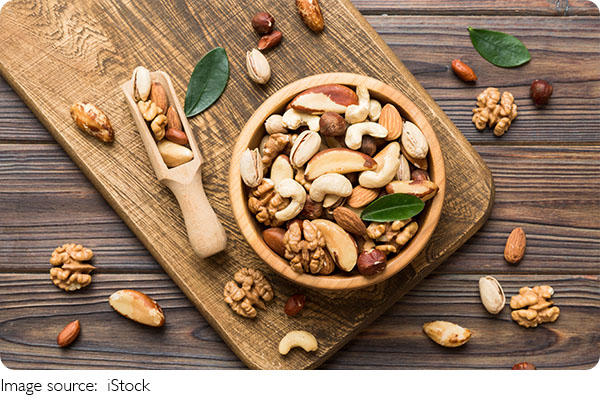
What if a simple handful of walnuts could sharpen your mind and boost your memory? Sounds too good to be true?
A groundbreaking study suggests that starting your day with this humble nut might just be the secret to enhanced brain function. Let’s explore how walnuts are proving to be more than just a tasty snack—they’re a powerhouse for the brain.
The Morning Boost
Imagine waking up, sprinkling a handful of walnuts into your breakfast, and feeling sharper by lunchtime. Researchers at the University of Reading found that consuming 50 grams of walnuts with breakfast led to quicker reaction times and improved memory in young adults. This wasn’t just a fleeting effect—it lasted throughout the day.
Irresistible Fruit Tarts You Need to Try Right Now!
5 Italian Cheeses You've Never Heard of—But Definitely Need to Try!
5 Fresh and Flavorful Summer Salad Recipes You'll Love!
The Art of Sushi: A Delicious Journey Through Japan’s Culinary Tradition
Cool Off Instantly with These 4 Irresistible Homemade Summer Drinks
This 3-Ingredient Plum Jam Will Ruin Store-Bought Jams Forever!
A Nutty Experiment
The study involved 32 participants aged 18-30, who alternated between a walnut-enriched breakfast and a nut-free meal. Over six hours, their cognitive performance was tested, revealing significant benefits from the walnut-infused meal. Tasks requiring quick thinking and memory recall showed marked improvement.
Why Walnuts Work
So, what makes walnuts so special? Packed with omega-3 fatty acids, protein, and polyphenols, these nuts are believed to enhance neural efficiency. Blood samples from participants revealed improved glucose and fatty acid levels—key factors for optimal brain function.
Beyond Breakfast
The benefits of walnuts aren’t limited to young adults. Another study explored how daily nut consumption impacts older individuals. Participants aged 65 and above who ate 60 grams of mixed nuts daily showed a 16% improvement in verbal memory tasks. Clearly, walnuts have something to offer for every age group.
Dr. Manson Dr. JoAnn Manson, a professor of epidemiology at Harvard T.H. Chan School of Public Health and a leading expert in nutrition and aging highlights the importance of nutrient-dense foods like walnuts for cognitive health and memory, especially as individuals age.
Healthy Blood Flow
Nuts like walnuts, pistachios, and cashews also promote better blood flow to the brain. Improved circulation means more oxygen and nutrients reach brain cells, supporting overall cognitive health. This is particularly crucial as we age and face natural declines in brain function.
Oxidative Stress and Aging
Our brains are vulnerable to oxidative stress, which accelerates aging and impairs memory. Fortunately, walnuts are rich in antioxidants, outpacing even blueberries in their protective qualities. Regular consumption may slow cognitive decline and keep your brain youthful.
Not Just Walnuts
While walnuts steal the spotlight, other nuts like almonds, hazelnuts, and pistachios also contribute to brain health. These nuts share similar nutrient profiles, making them excellent alternatives for those without allergies.
Alternatives for Allergies
For individuals allergic to nuts, options like olives, soybeans, and seeds such as chia or flax can provide comparable benefits. These foods are rich in monounsaturated and polyunsaturated fats, supporting heart and brain health alike.
Fatty Fish and Omega-3s
If you’re not a fan of nuts, consider adding fatty fish like salmon or tuna to your diet. Rich in omega-3 fatty acids, these foods play a critical role in maintaining brain function, immunity, and metabolism.
Limitations and Future Research
While promising, these studies have limitations. Short durations mean long-term effects remain unclear. Additionally, BMI-based criteria exclude nuanced body composition data. More research is needed to confirm these findings and expand our understanding of nut consumption's impact on brain health.

Conclusion
From boosting memory to enhancing blood flow, walnuts and other nuts are proving to be invaluable for brain health. Whether you’re a student, a professional, or simply someone looking to stay sharp, incorporating these nutrient-rich foods into your diet could make all the difference. So, why not start tomorrow with a brain-boosting handful of walnuts?