Exploring Fungal Diversity

Pardeep Singh
| 03-06-2026

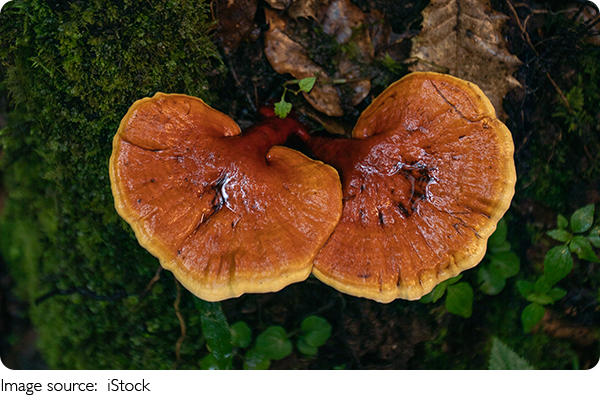
Fungi, once a largely overlooked domain of life, are now captivating scientists and nature enthusiasts with their unique charm and diverse forms.
This article delves into this fascinating realm, revealing the crucial role fungi play in ecosystems and their astonishing diversity.
Firstly, the basic characteristics of fungi set them apart from plants, animals, or bacteria. Fungal cell walls are primarily composed of chitin, which is significantly different from the cellulose cell walls found in plants.
Fungi reproduce by producing spores, which germinate and grow when environmental conditions are favorable. Their mode of nutrition is mainly heterotrophic, meaning they obtain nutrients by decomposing organic matter, thus playing a vital role as decomposers in ecosystems.
Add vibrant greenery with easy-care indoor plants that beautify and purify your space effortlessly!
Dive into the Milky Way’s spiral dance, packed with stars, cosmic secrets, and stellar evolution!
Artificial satellites are the epitome of modern tech, revolutionizing communication, weather, navigation, and space exploration.
Plant thorns are nature’s brilliant survival tools, evolving from leaves or stems to deter threats and conserve resources.
Surviving in space is challenging due to harsh conditions, but EMUs provide critical, limited protection.
Desert nights turn stars into dazzling gems with crystal-clear skies and zero light pollution!
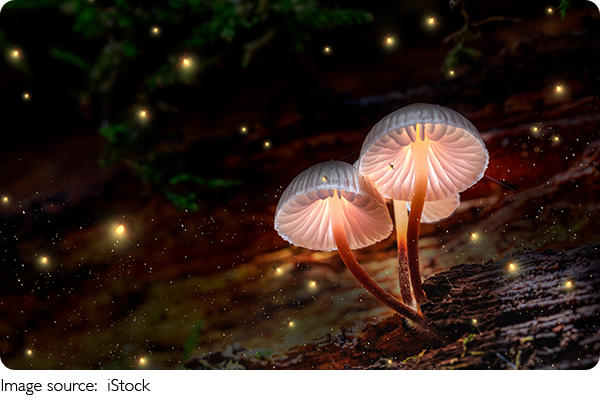
Among the fungi, mushrooms are the most common group. They exhibit a wide range of forms, from tiny field mushrooms to large boletus. The umbrella-shaped structure of mushrooms not only aids in spore release but also helps in capturing moisture from the air.
The colors of mushrooms are also incredibly diverse, ranging from classic white and brown to vibrant red and purple. These colors are typically due to various pigment substances, showcasing the beauty and complexity of fungi in nature.
Molds are another common type of fungus, typically growing in damp and warm environments. Their spores can float in the air and spread rapidly. Penicillium and Aspergillus are representative molds. Penicillium not only plays a role in food spoilage but also has significant importance in antibiotic production. Aspergillus is crucial in brewing and fermentation processes, assisting in the production of various foods and beverages.
Carnivorous fungi, such as the flycatcher fungi, represent a unique aspect of the fungal world. They capture small animals, like nematodes, to gain additional nutrients. These fungi possess complex predatory mechanisms, including retractable net-like structures or sticky secretions, which play a key role in their micro-ecosystems.
The ecological role of fungi is significant. Firstly, fungi are major decomposers in ecosystems, breaking down plant and animal remains and converting complex organic materials into simpler inorganic substances, thus releasing nutrients necessary for plant growth. Additionally, fungi form mycorrhizal relationships with plant roots, which are crucial for plant health. Mycorrhizae enhance plants' ability to absorb water and minerals and improve their resistance to diseases.
Moreover, fungi participate in various biogeochemical processes, such as the nitrogen and carbon cycles, by decomposing organic matter and releasing carbon dioxide, which has important implications for global climate regulation.
Beyond their ecological importance, fungi have wide-ranging applications in everyday life. They are used in food processing, drug production, and bioremediation. The discovery of penicillin, derived from Penicillium, revolutionized the medical field with its significant impact on antibiotics.
However, fungi also face challenges, including fungal diseases that threaten crops and potential health risks to humans. Therefore, scientists are continuously studying fungal biology to develop more effective control measures.
Overall, the vibrant and diverse world of fungi is truly remarkable. By gaining a deeper understanding of fungi, we can better protect the environment and uncover new applications in science, medicine, and industry. Fungi, these small and mysterious life forms, are undoubtedly one of nature’s wonders.