Lavender and Bees
Mukesh Kumar
| 24-02-2026

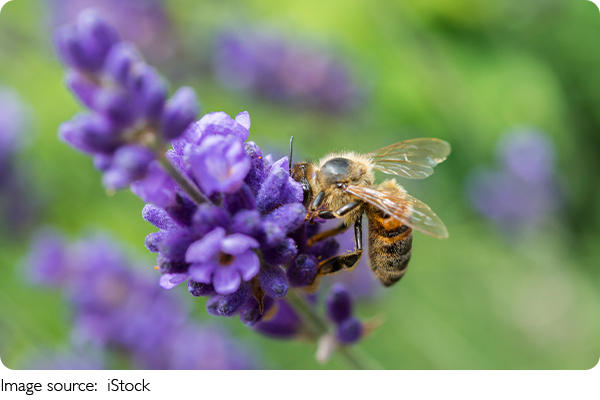
On a warm summer morning, when sunlight filters through the morning mist and casts its glow over the fields, you might find a captivating sea of purple flowers. This is the lavender field, drawing bees in swarms.
Bees play a crucial role in the natural world, and lavender, with its unique fragrance and colour, has become a favourite spot for them.
This article explores the allure of lavender for bees, the bees' behaviours, and the importance of this natural phenomenon.
The Charm of Lavender
Lavender is a herbaceous plant native to the Mediterranean region, renowned for its distinctive purple blossoms and rich fragrance. The flowers are not only attractive but also have a wide range of uses, such as in perfumes, soaps, and essential oils. The dense clusters of lavender flowers are rich in nectar and pollen, making them an ideal food source for bees.
Fossil reveals a starfish cloning itself 155 million years ago, showcasing ancient reproduction.
Birds Adaptations for Flight: Nature's Marvelous Aviators You Can Learn Today!
You Won’t Believe These Stunning Facts About the Elusive Lynx—Discover the Secrets of Nature’s Hidden Feline!
Discover how raccoons master urban survival with their cunning, adaptability, and charm—making our cities their playground!
Discover the Secrets of Sea Turtles: Why These Ancient Mariners Are More Amazing Than You Think!
Nigerian dwarf goats are raised for milk production but also as pets.
The structure of lavender flowers is particularly suited to bees. The petals and shape of the flower's centre enable bees to easily access the nectar, and pollen easily attaches to their bodies. It not only increases the efficiency of nectar collection but also improves the plant’s pollination rate.
Bee Foraging Behavior
Bees are among the most effective pollinators in nature. They feed on nectar and simultaneously transfer pollen to other flowers, aiding in plant reproduction. The behaviour of bees on lavender demonstrates their diligence and efficiency.
1. Nectar Collection: Bees use their long tongues to extract nectar from lavender flowers and store it in their honey stomachs. Each bee can collect nectar millions of times in its lifetime, eventually producing sweet honey for the hive.
2. Pollen Collection: In addition to nectar, bees collect pollen. Pollen is a crucial protein source for bees, supporting the queen's reproduction and the development of larvae. Bees have specialized pollen baskets on their legs for storing pollen.
3. Dancing Behavior: Bees communicate the location of food sources to their hive mates through a method known as "waggle dance." When bees discover a rich source of nectar, they dance the hive to inform other bees of the foraging location.
Lavender and Bees
Lavender's impact on bees extends beyond providing food; it also involves the stability of ecosystems and biodiversity. Here are some key ecological implications:
1. Ecosystem Services: Bees support the reproduction of many plants, including those crucial to humans, such as fruits, vegetables, and nuts, through their pollination services. Lavender, as a food source for bees, indirectly supports the health and stability of these agricultural systems.
2. Biodiversity: Growing lavender enhances biodiversity. The activity of bees on lavender attracts other insects and birds, which together help maintain ecological balance.
3. Agricultural and Environmental Interaction: Planting lavender in agriculture can improve environmental quality. It attracts bees and other pollinators, reducing the need for fertilizers and pesticides, and promoting sustainable agricultural practices.
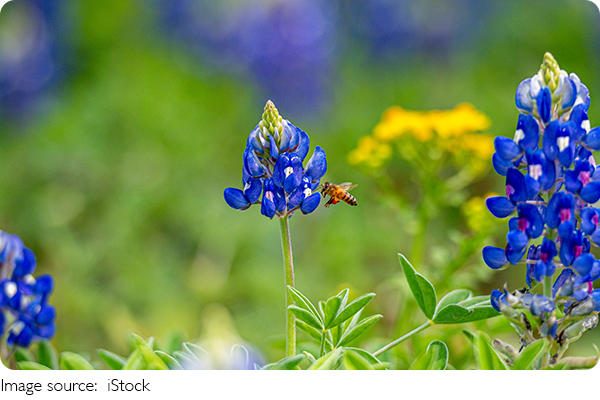
Lavender is not just a beautiful flower but a vital part of a bee’s life. The foraging behaviour of bees on lavender showcases their industriousness and intelligence in nature, while lavender’s appeal to bees reflects the complex interactions between plants and insects in the natural world.
Protecting bees and preserving the habitats of lavender are crucial for maintaining ecological balance and promoting sustainable agricultural development. Let us work together to cherish this natural gift and contribute to a healthier environment for the future.