Nature's Resilient Jewel

Chris Isidore
| 12-02-2026

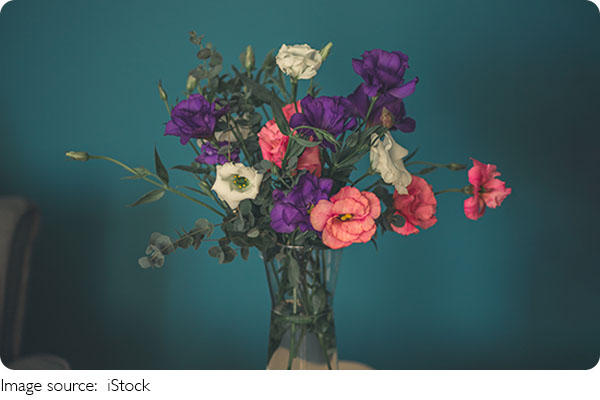
Prairie Gentian is a perennial herbaceous plant that thrives in alpine meadows and grassland regions, beloved for its unique characteristics and beautiful flowers.
This article will delve into the Prairie Gentian's external features, habitat, language of flowers, and its symbolic significance in culture.
1. External Features
The external features of prairie gentian are quite remarkable. It typically grows to a height of 30 to 70 centimetres, with an upright stem that has a slightly hairy texture, usually green or tinged with purple.
The leaves are arranged oppositely and are elongated with finely serrated edges. They are a deep green color, smooth in texture, and have a fresh, vibrant appearance. This strategic leaf arrangement maximizes sunlight absorption, optimizing photosynthesis and supporting vigorous plant growth.
Explore why the Space Shuttle's promise dimmed, leading to its quiet exit from space history.
Discover how to choose, care for, and enjoy potted plants for any space, with tips on plant types, prices, and care essentials!
Freesia: The Fragrant and Vibrant Flower of Spring You Need In Your Garden!
Mushrooms are nature's fascinating wonders, playing crucial roles in ecosystems and delighting our taste buds!
A symbol of joy, love, sincerity, happiness, and luck, the lily of the valley has much significance beyond the United Kingdom.
Three blades ensure efficiency, stability, and cost-effectiveness in wind turbines.
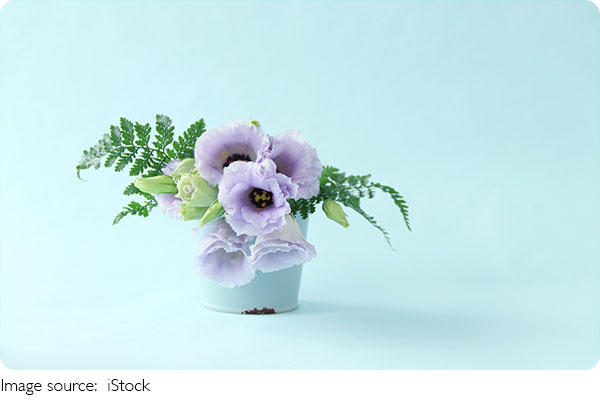
The flowers of prairie gentian are its most striking feature. They are usually bell-shaped, predominantly deep blue or purple, with occasional white or yellow variants. The petals are sharply pointed, arranged in a funnel shape, with a diameter of about 3 to 5 centimetres.
Each flower typically has five petals, with small stamens scattered in the flower's centre, creating a vivid contrast. The flowering period generally occurs in summer, particularly from July to September, during which the prairie gentian appears exceptionally dazzling in the sunlight.
2. Habitat
Prairie gentian primarily grows in high-altitude areas, usually at elevations between 1,000 and 3,000 meters in alpine meadows and dry grassland zones. It prefers sunny environments and has relatively high soil requirements, favouring well-drained, organic-rich acidic soils. Due to its unique habitat, prairie gentian holds significant ecological value; it not only beautifies the environment but also provides a habitat for numerous insects.
Within natural ecosystems, prairie gentian is an essential component of alpine plant communities, forming complex ecological relationships with other plants. Its presence helps to stabilize the soil and regulate water cycles, playing a positive role in maintaining ecological balance. Moreover, prairie gentian attracts many pollinators, such as bees and butterflies, supporting the reproduction of plants.
3. Flower Meanings and Symbolism
In cultural contexts, prairie gentian carries rich symbolic meanings and is often interpreted as "deep love" or "eternal longing." This flower language reflects the resilient vitality of prairie gentian and its beauty that blooms in harsh conditions.
As a result, prairie gentian is often used to express longing and blessings for distant loved ones, particularly in the traditional cultures of certain ethnic groups, where it symbolizes emotional connection.
4. Cultural Position
Prairie gentian occupies a prominent place not only in nature but also in various cultural works. Whether in poetry, prose, or visual arts, prairie gentian is imbued with romantic emotions. Many poets depict the resilience and beauty of prairie gentian to express their love for life and reverence for nature.
In modern society, the beauty and unique ecological value of prairie gentian have drawn increasing attention. With the rising awareness of environmental protection, the habitats of prairie gentian are receiving greater emphasis.
Prairie gentian, with its distinctive external features and rich cultural symbolism, has become a brilliant gem in the natural world. It not only showcases the beauty of nature but also allows us to feel the strength and resilience of life in our appreciation.