Trochilidae

Ethan Sullivan
| 14-01-2026

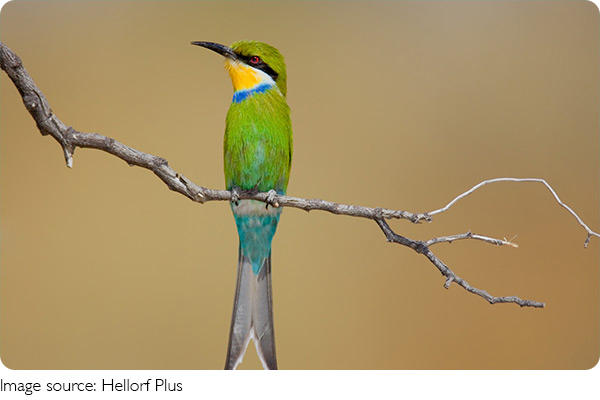
The family Trochilidae, commonly known as hummingbirds, encompasses over 300 species of small, vibrant birds primarily found in the Americas.
Renowned for their dazzling colors and incredible flight capabilities, hummingbirds play crucial roles in ecosystems, particularly in pollination.
However, their populations are facing significant challenges, raising concerns among ornithologists and conservationists alike.
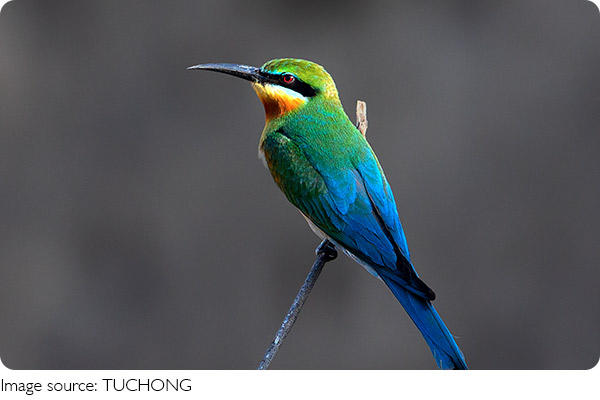
One of the most pressing threats to hummingbird populations is habitat loss. Tropical forests, where many species thrive, are particularly vulnerable.
As these ecosystems are degraded, hummingbirds lose essential nesting sites and food sources. The destruction of flowering plants, which are crucial for their diet, directly impacts their ability to survive and reproduce.
This Is Why Giraffes Aren't Hurt by Their High Blood Pressure!
Camels are desert superheroes, thriving on Caloric reserves and savvy survival tricks in extreme heat.
Discover the charm of Eastern Phoebes, their unique calls, and explore pet-friendly birdwatching spots and events with Lykkers.
Explore the world of birds, from spotting Mountain Bluebirds to helping injured birds, all while enjoying pet-friendly adventures.
Explore the fascinating traits and cultural roles of reindeer beyond holiday myths.
Explore roe deer's as wild animals.
Climate change further exacerbates the situation for hummingbirds. Rising temperatures and changing precipitation patterns are altering their habitats, forcing many species to migrate to higher altitudes or more temperate regions.
This shift can disrupt established breeding patterns and lead to mismatches between the timing of flowering plants and hummingbird migration. Such changes can reduce food availability during critical periods, negatively affecting survival rates.
Research indicates that some hummingbird species are experiencing population declines, while others remain stable or even increase.
For instance, the Ruby-throated Hummingbird, common in North America, is currently stable, thanks in part to conservation efforts and the establishment of protected areas.
In contrast, certain species in the tropics, like the Long-tailed Sylph, have seen declines due to habitat destruction and climate impacts.
This variation underscores the need for targeted conservation strategies tailored to the specific needs of different species.
Conservation organizations and researchers are actively working to address the challenges faced by hummingbirds. Initiatives focus on habitat restoration, protection of critical ecosystems, and the promotion of sustainable agricultural practices.
Planting native flowers and creating hummingbird-friendly gardens can also support local populations. Furthermore, raising public awareness about the ecological importance of hummingbirds and the threats they face is vital for fostering community support for conservation efforts.
Ongoing research and monitoring are crucial for understanding the status of hummingbird populations. By studying their behavior, migration patterns, and responses to environmental changes, scientists can develop more effective conservation strategies.
Citizen science initiatives, where birdwatchers contribute to data collection, are proving valuable in tracking population trends and identifying emerging threats.
The status of Trochilidae populations varies significantly across species, influenced by habitat loss, climate change, and conservation efforts. While some species remain stable, others face significant challenges that threaten their survival.
Collaborative conservation efforts, informed by ongoing research and community engagement, are essential to ensure the future of these remarkable birds.
Protecting hummingbirds not only preserves their beauty and diversity but also supports the broader health of ecosystems that rely on their pollination services.
As we strive to mitigate the impacts of human activity and climate change, the fate of hummingbirds serves as a poignant reminder of the interconnectedness of all species and the urgent need for collective action in conservation.