The Enchanting Snowy Owl

Arvind Singh
| 10-12-2025

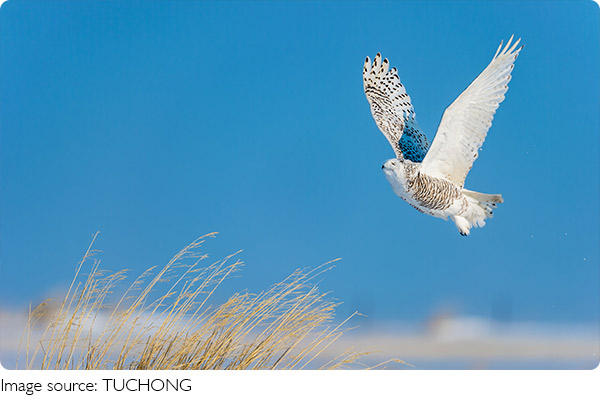
The snowy owl (Bubo scandiacus) is one of nature’s most captivating creatures. Known for its pristine white feathers and piercing yellow eyes.
This bird of prey inhabits some of the coldest regions on Earth, embodying resilience and elegance.
Appearance
The snowy owl is instantly recognizable:
Plumage: Males are almost entirely white, while females and juveniles have dark across their feathers for camouflage.
Size: These owls are large, measuring about 20-28 inches (50-70 cm) in length, with a wingspan of up to 5 feet (1.5 meters).
Eyes: Their brilliant yellow eyes stand out against their snowy-white feathers, aiding in sharp vision.
Habitat and Range
Snowy owls are native to the Arctic tundra but can travel far in search of food:
The male Corvina's hummingbird has purple feathers and looks like a big octopus! So cute!
The blue-tailed bee-eater is a colorful bird known for its elegance, acrobatics, and role in maintaining ecosystem balance.
The African leopard embodies stealth, strength, and beauty, playing a vital role in maintaining the balance of African ecosystems.
Koalas always hug the trunk, because the original trunk can play the role of a heat sink to prevent their bodies from overheating.
Discover the science behind camel's twin humps and their essential role in survival
Meet the Eurasian magpie: a bird so smart, it recognizes itself in mirrors and thrives in nearly every environment!
Habitat: They prefer open, treeless landscapes like tundras and coastal regions.
Range: They move southward into Canada, the northern United States, and portions of Eurasia in the winter.
Behavior and Hunting Skills
Snowy owls are skillful hunters, adapted to the harsh Arctic environment:
Diet: They primarily feed on lemmings and other small mammals but also hunt birds, fish, and insects.
Hunting Technique: These owls are diurnal, hunting during the day, which is unusual for most owl species. Their strong beak and sharp talons are used to seize prey.
Adaptation: Their dense plumage and feathered feet help them stay warm and silent during flight.
Reproduction
Snowy owls breed in the Arctic during the summer months:
Nesting: They nest on the ground, often choosing high spots for better visibility.
Eggs: Females lay 3-11 eggs, depending on food availability.
Parental Care: Both parents defend their nest fiercely and feed their young until they can fend for themselves.
Ecological Importance
Snowy owls play a crucial role in Arctic ecosystems:
Prey Control: By feeding on small mammals, they help regulate prey populations, preventing overgrazing.
Indicator Species: Their health reflects the state of the Arctic environment.
Conservation Status
Although snowy owls are not currently endangered, they face threats:
Habitat Loss: Climate change is altering the Arctic tundra, affecting their nesting grounds.
Food Scarcity: Changes in prey populations due to warming temperatures pose challenges.
IUCN Status: They are listed as "Vulnerable," emphasizing the need for conservation efforts.
Fun Facts About Snowy Owls
They can consume more than 1,600 lemmings in a single year.
Snowy owls have excellent hearing, allowing them to detect prey under snow.
They were made famous as Harry Potter’s loyal companion, Hedwig.
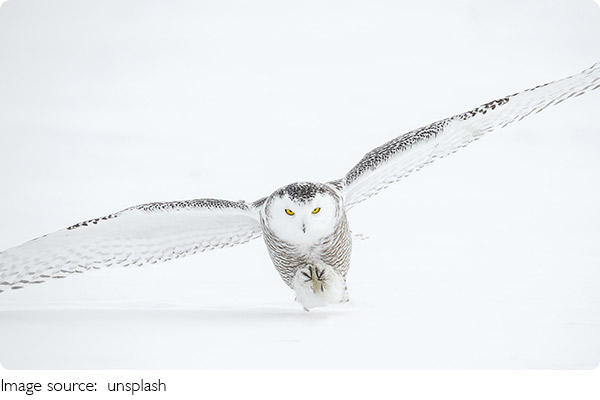
Lykkers, the snowy owl is a symbol of strength and adaptability. Let its resilience remind you to thrive in any environment!
11 Amazing Snowy Owls Facts You Didn't Know [Must Check #6]
Video by Grow Kido