Hokkaido Snowscape

Santosh Jha
| 29-07-2025

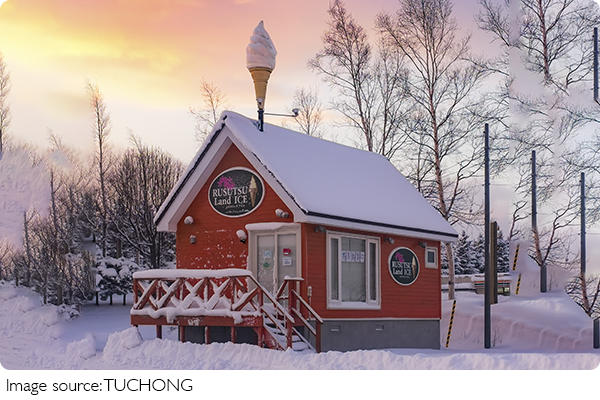
When winter arrives, the entire Northern Hemisphere is covered in snow; why has Hokkaido become the beloved "White Moonlight" for everyone?
It's because in Hokkaido, when you eagerly await the snow, it comes. The maritime climate keeps Hokkaido moist throughout the year, and when the temperature drops, continuous heavy snowfall occurs.
Hokkaido's snow contains 95% air, making it very pure. It can sweep away all the dust in the world, along with a year of bad moods. The blue sky and streets after the snow are crystal clear, and the fresh air is pure.
Hokkaido is a top bird-watching destination in Japan. In winter, around the Kushiro area, you can see the remaining population of the Japanese red-crowned cranes. For bird enthusiasts, Hokkaido is a vibrant spectacle in winter. However, bird-watching in Hokkaido is more suitable for nature lovers and photographers with scientific literacy at this stage.
Sea turtles are ancient survivors, and face extinction due to human threats and habitat loss.
Swans embody elegance, and mythical significance in diverse cultural narratives.
Swallows prefer human structures but also nest in the wild due to habitat preferences and migration habits.
In the vast ocean, sea turtles face grave threats, but concerted conservation efforts are crucial for their survival.
Whales, mysterious giants of the ocean, astound with their prolonged underwater stays. Delve into their secrets of survival.
Bat falcons are the fastest, agile predators that feast on bats and insects, communicating through screeches.
For photography enthusiasts, Hokkaido offers an abundance of landscapes. In Japan, where the four seasons are distinct, Hokkaido showcases the cycle of seasons most vividly. Winter, in particular, brings out the extreme beauty of Hokkaido, with misty snowflakes dancing and the landscape draped in pure white.
Hokkaido is a paradise for photographers; every enthusiast can capture satisfying photos. On one hand, you can photograph rare birds such as swans, red-crowned cranes, and sea eagles. On the other hand, you can capture the natural beauty of the snow country. The variety of bird species and shooting locations in Hokkaido is extensive, and the excellent environmental protection makes it an ideal choice for photographers.
The red-crowned crane is honored as a "Special Natural Monument of Japan." As an endangered species, they are a conspicuous presence in the snowy landscapes of Hokkaido, creating beautiful scenery.
Tsurui Village is renowned for being the natural habitat of red-crowned cranes and is named after them. There is a beautiful legend about this village: a ninety-year-old grandmother, despite limited economic conditions, started feeding corn to the red-crowned cranes on her farm in her youth, attracting more and more cranes to migrate there.
At Ondoyabashi Bridge, you can capture the dreamlike scenes of red-crowned cranes in the enchanting setting of sunrise. In the early morning, hundreds of wild red-crowned cranes fly against the light, recreation and grooming their feathers in the ethereal mist. If lucky, you might even capture scenes of "frostflowers."
In the ever-changing mist, with the faint sound of wings, the graceful presence of the red-crowned crane becomes more mystical, creating anticipation for every photographer standing in the cold wind. If mist creates a fairyland, and light adds spirituality, then red-crowned cranes under the light and mist against the backdrop of snow-capped mountains make them even more dreamlike.
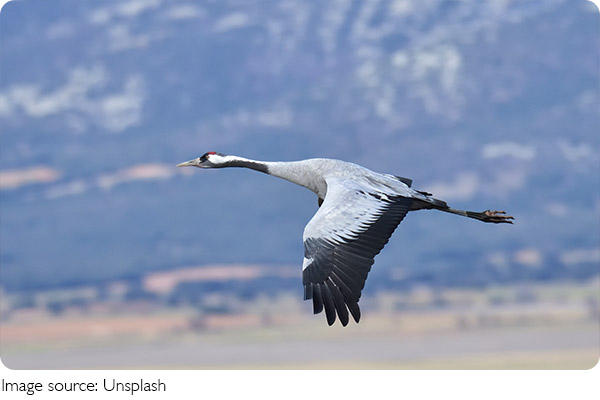
Of course, the swans at Lake Kussharo are not to be missed. Blue sky, white snow, and flocks of swans. White swans soar in the sky or wander in the lake. Here, you can have close encounters with swans, capturing scenes of swans playing and calling, chasing each other. Combined with the picturesque snow-covered mountains and lakes, it's truly breathtaking! The solid Japanese ambiance, the exquisite mountains, and the lakes add richness to the photography theme.
Whether a novice or an expert photographer, you can experience a different, high-quality journey!