Soul Journey Ramadan!

Declan Kennedy
| 11-02-2026


Ramadan is more than a calendar month; it is a profound journey of the soul.
In 2026, as the crescent moon appears over the horizon and signals the start of Ramadan, communities around the world prepare for a time of heightened reflection, perseverance, and spiritual renewal.
Each year, Ramadan invites millions to step into an inner landscape where discipline, empathy, and introspection intertwine. Beyond fasting from dawn to sunset, Ramadan 2026 offers a deep exploration of the human spirit and a chance to realign one’s inner compass toward compassion, resilience, and personal growth.
The Essence of Fasting: Discipline Meets Transformation
At the heart of Ramadan is fasting, which in 2026 will extend over approximately 29–30 days depending on moon sightings. Fasting during Ramadan is not merely abstaining from food and drink; it is a practice that fosters self-control and mental clarity. Waking before dawn for suhoor, the pre-fast meal, and delaying the breaking of the fast at iftar encourages meticulous attention to timing, nourishment, and intention.
See How We Harvest Grain with Combines—Secrets, Tips, and Tricks That Make Every Kernel Count!
Learn How We Turn Wrinkled Clothes into Perfectly Pressed Outfits Using Any Ironing Board!
Transform Your Home with Japanese Minimalist Design—Simple, Calm, and Cozy Ideas You Can Try Today!
Create a Safe, Fun, and Inspiring Kids’ Room That Supports Growth and Creativity with Simple Tips!
Want a Cozy and Stylish Home? Discover Simple Decorating Tips We Actually Use to Transform Every Room!
Discover How Parent-Child Outdoor Activities Can Boost Happiness, Confidence, and Stronger Family Bonds in Simple Steps!
Fasting influences biological rhythms and mental focus. Scientific studies show that structured fasting periods, similar to those observed during Ramadan, can lead to enhanced metabolic regulation and improved cognitive function. While the primary motivation for fasting is spiritual, these physiological benefits contribute to a heightened state of alertness and well-being throughout Ramadan 2026.
Importantly, Ramadan fasting is deeply intentional. Individuals are encouraged to reflect on their motivations and cultivate a mindset rooted in self-discipline and humility. This inward practice creates fertile ground for deeper spiritual awareness and sustained emotional balance.
Prayer and Presence: The Rhythm of Ramadan Days
Prayer in Ramadan 2026 is a rhythm that strengthens the connection between the internal landscape and outward actions. Five times each day, participants return to a moment of stillness, grounding themselves in presence. These prayer intervals—Fajr, Dhuhr, Asr, Maghrib, and Isha—serve as anchors that punctuate daily routines with mindful pauses.
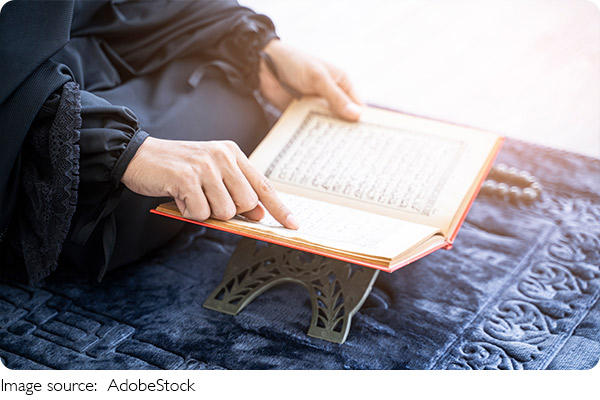
During Ramadan nights, many also engage in Tarawih, extended prayer gatherings that blend recitation and contemplation. Through these nightly sessions, individuals revisit sacred texts with renewed attention. Unlike casual reading, Ramadan recitation is often thoughtful and prolonged, inviting participants to revisit familiar passages with fresh interpretation and heartfelt reflection.
The cumulative effect of these practices is that Ramadan becomes a time when internal dialogues gain depth and clarity. Daily prayer cultivates resilience and nurtures a continuous cycle of reflection, intention, and action.
Charity and Compassion: Actions that Echo Beyond Ramadan
Charity during Ramadan 2026 takes on a dimension that extends far beyond monetary giving. While many choose to fulfill their obligation of zakat and offer voluntary charity (sadaqah), the spirit of giving in Ramadan is rooted in empathy, equity, and social cohesion.
Fasting itself nurtures compassionate awareness of hunger and hardship, motivating many to support food distribution initiatives, community kitchens, and social welfare programs. In numerous cities, volunteers prepare iftar meals for people irrespective of background, symbolizing unity and collective care.
Mindfulness and Moral Realignment: Ramadan as Inner Calibration
Ramadan 2026 emphasizes not only external observance but also inner refinement. This month offers a structured opportunity for participants to observe their thoughts, langauge, and behaviors with heightened consciousness. Many intentionally reduce distractions such as excessive screen time, idle talk, or negative habits, replacing them with moments of presence, reflection, and thoughtful decision-making.
This intentional slowing down and increased self-observation strengthens emotional intelligence. As people cultivate patience during moments of hunger or discomfort, they also learn to respond to life’s challenges with equanimity. Ramadan thus functions as a form of inner calibration—a chance to strengthen resilience and sharpen moral sensitivity.
The Communal Experience: Unity in Diversity
Across the globe in 2026, Ramadan unites diverse communities through shared practices and collective gatherings. Local iftar events become opportunities for families, neighbors, and friends to break the fast together, reinforcing social bonds. In many regions, community centers, mosques, and cultural institutions organize inclusive programs that celebrate cultural expressions of Ramadan customs.
Eid al-Fitr: Celebration of Completion and New Beginnings
The culmination of Ramadan 2026 is Eid al-Fitr, a celebration that marks the conclusion of the fasting month. Eid begins with a special morning prayer, followed by shared meals, thoughtful gift exchanges, and moments of collective joy. Eid al-Fitr reflects the completion of the Ramadan journey, highlighting gratitude, togetherness, and a renewed sense of direction shaped by the experiences of the month.
As participants gather with loved ones, exchange greetings, and enjoy celebratory meals, there is a palpable sense of renewal. Ramadan has not only tested self-discipline but has transformed perspectives, invited compassion, and deepened inner awareness.
Ramadan 2026 offers a profound opportunity for inner growth and community engagement. It encourages every participant to integrate fasting, prayer, and reflection into a transformative journey of the soul. While the month itself may be fleeting, the lessons of mindfulness, generosity, and resilience hold the potential to shape lives throughout the year.
In a world that constantly demands speed and distraction, Ramadan stands as a gentle yet powerful reminder that true transformation begins within—one intentional breath, one compassionate act, and one moment of presence at a time. May the journey of Ramadan 2026 leave an imprint on every heart that embraces its light.