Mountain Hiking Essentials

Ethan Sullivan
| 15-06-2026

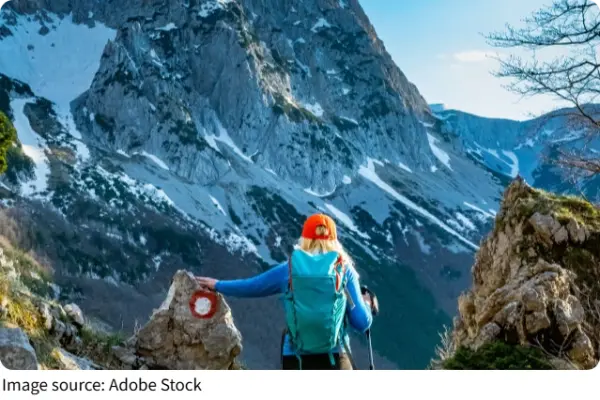
Watching hikers tackle a rugged trail can be inspiring, but it also highlights a simple truth: preparation makes the difference between an enjoyable climb and a stressful struggle.
Whether you're aiming for a short nature trail or a full-day mountain trek, being ready physically, mentally, and logistically is essential.
A little planning goes a long way in keeping the experience safe, energizing, and memorable.
Physical Readiness
Before you even lace up your boots, your body needs to be ready for the demands of hiking. Mountain trails can be tough, requiring endurance, balance, and strength.
Cardiovascular training helps maintain energy over long distances. Activities like brisk walking, cycling, or stair climbing build stamina for uphill climbs.
Insider tips for a smooth, unforgettable Dutch adventure.
Protect your skin this summer with easy, practical strategies.
Essential gear and tips to conquer snowy peaks safely and confidently.
Explore glaciers, fjords, and wildlife in one of the world’s coolest frontiers.
How to plan altitude, timing, and transport without wasting a day!
How to ski this alpine area without crowds or wasted lift time.
Strength exercises for legs, core, and back improve stability on uneven terrain and reduce the risk of injury. Squats, lunges, and planks are especially useful.
Flexibility and balance training, like light stretching, prepare your body to navigate rocks, roots, and slippery paths safely.
Actionable example: Start a six-week training routine before a major hike. Include three cardio sessions, two strength workouts, and two flexibility sessions per week. By the end, walking uphill with a backpack will feel far easier.
Gear and Clothing
Choosing the right equipment and clothing is crucial. The wrong gear can turn a fun hike into a cold, uncomfortable, or even unsafe experience.
Footwear is the most important. Hiking boots or shoes with good grip and ankle support prevent slips and sprains. Break them in before your hike.
Layered clothing keeps you comfortable as temperatures change. Base layers wick sweat, mid-layers provide warmth, and waterproof outer layers protect from wind and rain.
Essential gear includes a backpack, water bottle, trail map or GPS, snacks, a first-aid kit, and sun protection. Small items like trekking poles can also reduce strain on knees and legs.
Actionable example: Before your hike, lay out all gear and check that shoes are comfortable, clothing layers match the forecast, and the backpack holds everything without feeling too heavy.
Nutrition and Hydration
Fueling your body correctly is as important as wearing the right shoes. Energy levels drop quickly without proper food and water.
Hydration is key. Drink water regularly before and during the hike. Consider electrolyte drinks for longer treks.
Nutrient-rich snacks like nuts, dried fruit, or energy bars provide quick fuel without weighing you down.
Plan meals around your hike schedule. Eating a balanced breakfast with carbs and protein ensures energy from the start.
Actionable example: Pack a hydration system like a 2-liter bladder and snacks divided into small, easy-to-reach bags. Sip water every 15–20 minutes to maintain steady hydration.
Trail Knowledge and Planning
Understanding your route and the conditions can prevent many common hiking problems.
Study trail maps to know distances, elevation changes, and landmarks. This helps manage pace and energy.
Check the weather forecast and trail conditions. Rain, snow, or high winds can make paths dangerous.
Inform someone of your plans. Sharing your route and expected return time adds a safety layer in case of emergencies.
Actionable example: Create a trail plan with estimated times for each section. Include breaks, water refill points, and emergency exit options. This makes pacing more manageable and reduces fatigue.
Mental Preparedness
Hiking challenges more than your body—it tests focus, patience, and resilience. Mental preparation helps you handle unexpected situations calmly.
Set realistic goals. Choose trails that match your fitness level and experience.
Practice mindfulness during hikes. Focus on your breathing, steps, and surroundings to maintain steady energy and reduce stress.
Learn basic navigation and first-aid skills. Knowing how to respond to minor injuries or getting slightly off-route boosts confidence.
Actionable example: Before a hike, visualize key points on the trail and how you'll handle challenges like steep inclines or sudden weather changes. This mental rehearsal improves decision-making on the trail.
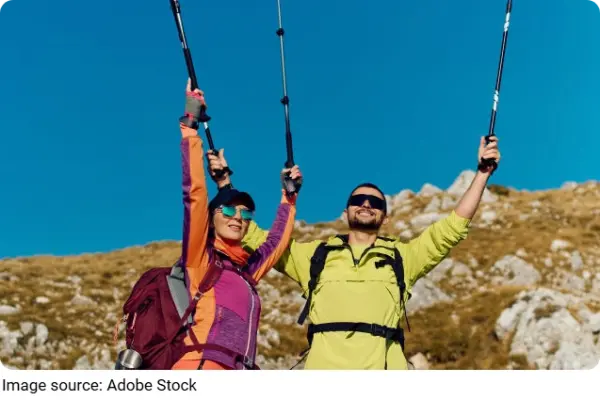
Hiking is a rewarding experience when preparation is taken seriously. By training your body, selecting the right gear, managing nutrition, understanding the trail, and preparing mentally, you can turn any hike into a safe and memorable adventure. Thoughtful planning allows you to focus on the beauty of the mountains and the satisfaction of reaching each summit, rather than worrying about avoidable obstacles.