Smart Driving Every Day

Ethan Sullivan
| 26-02-2026


The morning commute often begins the same way: a slow crawl toward the main road, a glance at the clock, and that quiet hope traffic won't steal another half hour.
Over the past few years, something subtle has changed inside many cars.
The drive still looks ordinary from the outside, yet behind the wheel, small digital helpers are steadily reshaping how people move through their daily routines.
Reducing Mental Load on Busy Roads
Less stress
Better focus
Smoother rhythm
Modern driver assistance systems handle repetitive micro-tasks that once demanded constant attention. Keeping a steady distance in slow traffic or staying centered within a lane may sound simple, but doing both for forty minutes can quietly drain energy before the workday even begins.
The Role of LIDAR and Cameras in Autonomous Vehicle Perception.
3 surprising ways extreme motorsport tech is quietly protecting your everyday drive!
New CO₂ taxes in some countries are quietly turning gas-guzzlers into financial liabilities!
This futuristic dashboard monitors your health in real time—before a medical emergency strikes.
This new insurance model rewards safe drivers with lower rates—no more unfair flat fees.
Your car is more than just a ride—discover how it reflects your personality.
By sharing this workload, the driver's role shifts from continuous correction to calm supervision. This doesn't mean switching off mentally. Instead, it creates space to notice changing road conditions earlier and react more smoothly.
An actionable example: during stop-and-go congestion, activate adaptive speed control and lane guidance together. Keep both hands ready on the wheel and scan mirrors every few seconds. You'll arrive feeling noticeably less tense compared with manually inching forward the entire time.
Making Traffic Flow Feel Predictable
Gentle acceleration
Stable spacing
Fewer surprises
Human driving often introduces tiny bursts of acceleration and braking. Multiply that across hundreds of vehicles, and traffic becomes uneven and frustrating. Assistance technology applies inputs more gradually, which helps smooth overall flow.
This smoother motion has practical benefits. Passengers feel more comfortable, and drivers avoid the constant pedal adjustments that cause fatigue in dense traffic.
Try this during an evening commute: once traffic speed stabilizes, allow the system to manage pacing while you focus on scanning farther ahead. Watching two or three vehicles beyond the one in front improves anticipation and works naturally with the system's steady control.
Supporting Safer Everyday Decisions
Clearer awareness
Earlier warnings
Calmer reactions
Many daily driving risks aren't dramatic events. They're small lapses—drifting slightly in a lane, missing a vehicle in a blind spot, or reacting a moment too late when traffic slows. Assistance features specialize in catching these quiet mistakes before they grow serious.
Alerts for surrounding vehicles or unintended lane movement provide a second layer of perception. Instead of replacing judgment, they reinforce it, especially during long or tiring drives.
A practical habit: treat every warning sound or vibration as useful information rather than annoyance. Briefly check mirrors, confirm surroundings, and adjust smoothly. This mindset turns alerts into learning moments that sharpen long-term driving awareness.
Saving Time Through Subtle Efficiency
Steady pacing
Fewer detours
Lower energy use
Time savings rarely come from driving faster. They come from avoiding small delays—harsh braking, missed turns, or inefficient speed changes. Assistance systems quietly reduce these losses by maintaining consistent motion and supporting navigation guidance.
Over weeks of commuting, even minor improvements add up. Arriving a few minutes earlier each day can shift morning routines, reduce rushing, and create a calmer start.
To make this tangible, review your average trip time across several days with assistance features active. Many drivers notice more consistent arrival times, even when total distance remains unchanged.
Encouraging Better Driving Habits Over Time
Smoother steering
Gentler braking
More patience
Technology doesn't just assist in the moment; it gradually reshapes behavior. When drivers experience smoother acceleration and calmer pacing from automated support, they often begin to mirror those patterns during manual driving.
This behavioral shift can improve comfort for everyone in the vehicle and reduce long-term fatigue. The commute becomes less of a daily challenge and more of a predictable routine.
One simple exercise: occasionally switch assistance features off on a familiar, quiet road and try to replicate the same smoothness manually. Notice how lightly you press the pedals and how steadily you guide the wheel. This builds skill rather than dependence.
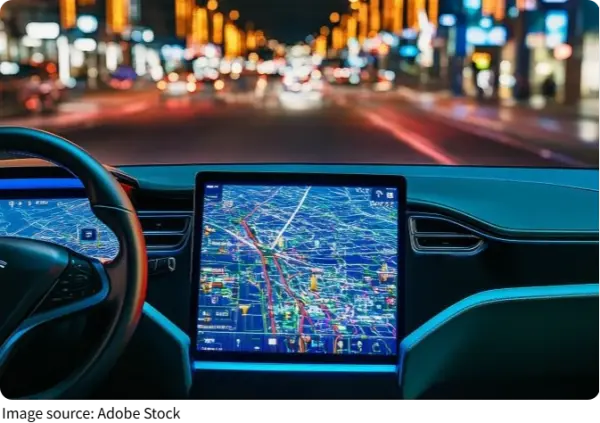
The real value of intelligent driver assistance isn't flashy automation or futuristic imagery. It's the quiet transformation of ordinary minutes—turning tension into calm, inconsistency into rhythm, and routine travel into something a little more humane.
When the drive home feels less like a problem with traffic and more like a gentle transition between parts of the day, that's where the technology proves its worth.