Homemade Peanut Butter Guide

Finnegan Flynn
| 13-04-2026

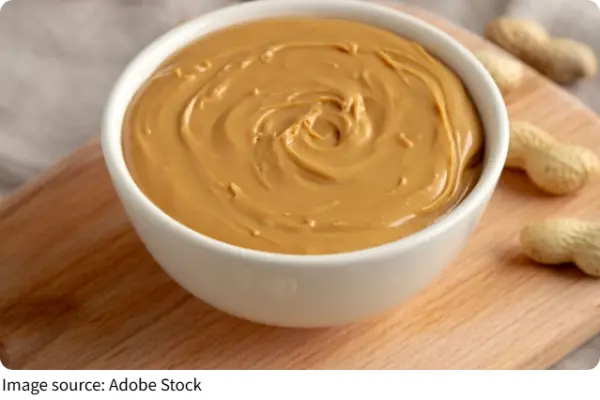
When it comes to spreads, few things are as comforting and versatile as peanut butter.
Whether you're spreading it on toast, dipping fruits into it, or using it in baking, peanut butter is a staple in many kitchens.
While store-bought versions are readily available, making homemade peanut butter is not only incredibly easy but also allows you to control the ingredients for a cleaner, healthier option. In this guide, I'll show you how to make your very own creamy peanut butter in just a few simple steps.
1. Ingredients You'll Need
Before you start, make sure you have the following ingredients:
- Peanuts: 2 cups, unsalted, dry roasted (you can use pre-roasted peanuts or roast them at home).
A Simple Guide to Making a Moist and Delicious Bundt Cake.
Learn how to make a delicious, fluffy ring-shaped bread for any occasion.
Make Fresh Strawberry Jam at Home in Just a Few Easy Steps—Bright, Sweet, and Better Than Store-Bought!
Make Healthy Berry Lollipops at Home in Simple Steps Kids Will Love – Fun, Fruity, and Totally Delicious!
Discover How to Make Perfectly Fresh Mint Lemon Water at Home That Instantly Lifts Your Mood and Refreshes Your Day!
Beat the Summer Heat Fast! Make This Refreshing Homemade Cucumber Lemon Juice in Just Minutes!
- Salt: 1/4 teaspoon, to enhance flavor.
- Honey or Sugar: 1-2 teaspoons (optional, depending on your sweetness preference).
- Peanut Oil: 1–2 tablespoons (you can substitute it with vegetable oil if preferred).
- Vanilla Extract: 1 teaspoon (optional for extra flavor).
These ingredients are all you need to make delicious, creamy peanut butter that’s free from unnecessary preservatives. Now, let's get started!
2. Preparing the Peanuts
- Roasting the Peanuts: If you are using raw peanuts, you can easily roast them yourself. Spread the peanuts in a single layer on a baking sheet and roast them in a preheated oven at 350°F (175°C) for about 10 minutes, or until golden brown. Roasting will bring out their natural flavor and aroma. After roasting, let them cool to room temperature.
- Skin Removal (optional): You can choose to remove the skins from the peanuts if you want a smoother peanut butter. Gently rub the roasted peanuts between your hands or use a cloth to remove the skins. This step is optional; some people prefer to leave the skins on for added texture and fiber.
3. Blending the Peanuts
- Add Peanuts to a Food Processor: Place the roasted peanuts into a food processor or high-powered blender. Pulse a few times to break the peanuts into smaller pieces.
- Start Blending: Turn the food processor on and let it run for 2-3 minutes. The peanuts will first become crumbly, then slowly begin to turn into a thick paste. Scrape down the sides of the processor to ensure even blending.
- Adjust the Consistency: As the peanuts continue to blend, you'll notice them releasing their natural oils. If the mixture is too thick, slowly add peanut oil (1 tablespoon at a time) until the consistency becomes smooth and creamy. You can also add a bit of honey or sugar at this stage if you prefer a sweeter peanut butter.
4. Seasoning the Peanut Butter
- Add Salt and Sweetener: Once the peanut butter has reached your desired consistency, add a pinch of salt for flavor. If you like your peanut butter sweet, add a teaspoon or two of honey or sugar. Blend again for another 30 seconds to incorporate everything thoroughly.
- Taste and Adjust: Taste your homemade peanut butter. If it's too thick, add a little more oil. If it's not sweet enough, you can add a bit more honey or sugar until it suits your taste.
5. Storing and Using Your Peanut Butter
- Store Properly: Transfer the homemade peanut butter into a clean, airtight jar or container. Keep it in the refrigerator to maintain freshness. It should last for up to 2-3 weeks, though you'll likely finish it long before that!
- Serving Ideas: Spread it on toast, pancakes, or waffles. Use it as a dip for fruits like apples and bananas, or add it to smoothies for a creamy texture. It also makes a great ingredient in baking recipes, such as cookies and brownies.
6. Tips for the Best Homemade Peanut Butter
Here are a few tips to help you create the perfect peanut butter every time:
- Choose Quality Peanuts: The quality of the peanuts you use will greatly affect the flavor of your peanut butter. Opt for dry-roasted peanuts that have no added salt or sugar for the best results.
- Experiment with Add-ins: If you like different flavors, try adding a little cinnamon, cocoa powder, or even a touch of maple syrup for a unique twist.
- Adjust the Texture: If you prefer crunchy peanut butter, pulse the peanuts less and leave some small peanut chunks in the mixture. Alternatively, you can stir in some chopped peanuts after blending for added texture.
- Consistency Matters: Peanut butter can get thicker over time as it sits in the fridge. To make it easier to spread, just stir in a bit of oil or let it sit at room temperature for a few minutes before use.
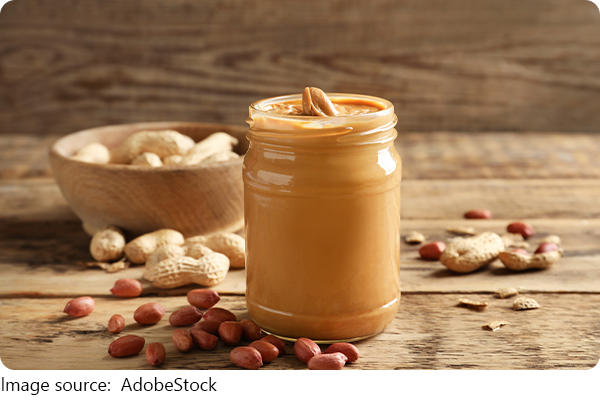
Enjoy Your Homemade Peanut Butter!
Making your own peanut butter is simple, fun, and rewarding. The best part is that you can customize it to your liking by adjusting the sweetness and texture. With just a handful of ingredients and a few minutes of your time, you can have a fresh, creamy spread ready to enjoy. Whether you're making a snack, adding it to a recipe, or simply eating it by the spoonful, homemade peanut butter is a tasty and healthy alternative to store-bought varieties. So, why not try making your own today and taste the difference?