Succulent Care

Pardeep Singh
| 28-05-2026

Succulents are beloved for their vibrant colors, plump leaves, and low-maintenance appeal. Yet, many owners unintentionally harm their plants.
A healthy echeveria can quickly become mushy, yellowing, and falling apart — not because of neglect, but because of overwatering. Succulents are resilient drought-tolerant plants, and understanding their watering needs is key to keeping them alive and thriving.
How Succulents Store Water
Succulents store water in their leaves, stems, and roots — an adaptation for surviving dry environments. In nature, rainfall is rare but often intense. This means succulents are designed for deep, infrequent watering, rather than light, frequent sips like most houseplants receive. Think of them like camels: they need a thorough drink, not constant small sips.
One healthy stem can turn into five free plants — here's the beginner-friendly method that actually works
Using garden dirt in your pots is a rookie mistake — here's what your indoor plants actually need to thrive
How Can We Bridge the Gap Between Grandparents and Grandchildren to Build Closer, Happier Everyday Family Connections?
Protect your plants from hidden infestations and stop pests before they take over your home garden.
Why short, focused time with your children matters more than elaborate events
One overhead light is ruining your room — here's the layered lighting system that designers actually use.
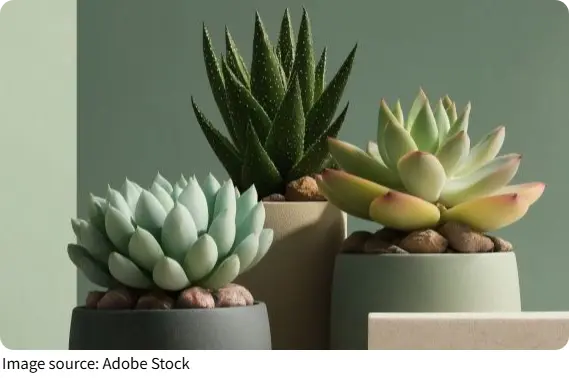
The Soak and Dry Method
The most reliable watering technique is the soak and dry method:
1. Water thoroughly until excess drains from the container’s holes.
2. Allow the soil to dry completely before watering again.
3. Use the two-finger technique to check soil moisture — insert your fingers about an inch into the soil; if it feels damp, wait longer.
This method mimics the natural rainfall pattern of succulents’ native habitats and encourages deep root growth, making plants stronger and more resilient.
Bottom Watering for Sensitive Plants
Some succulents are prone to rot if water touches their leaves or stems. For these plants, bottom watering is ideal:
- Place the container in a shallow tray of water.
- Allow the soil to absorb moisture through the drainage hole for 15–30 minutes.
- Remove the container once the top layer of soil feels slightly damp.
Bottom watering is particularly helpful when soil is compacted, preventing water from soaking evenly. It also encourages roots to grow downward, further strengthening the plant.
Why Misting Doesn’t Work
Contrary to popular belief, misting does not hydrate succulents effectively. Leaves do not absorb significant moisture, and damp soil can promote fungal growth and attract pests. If the soil is dry, water it directly. This is the only reliable way to hydrate your succulent.
Identifying Overwatering vs. Underwatering
- Overwatering: Leaves become pale, yellow, or translucent. Stems soften, and roots may turn brown and slimy. If this occurs, stop watering, allow the soil to dry, trim damaged roots, and repot in fresh, dry soil.
- Underwatering: Leaves shrivel and become papery, starting at the bottom. Crispy, brown leaf tips spreading across the plant indicate severe dehydration. Soak the plant thoroughly and resume normal watering once it recovers.
Adjusting Watering by Season
Succulents grow actively during spring and fall and enter dormancy in summer and winter. During active growth, indoor succulents may need watering every 2–3 weeks, while during dormancy, watering can be as infrequent as once a month.
The size of the container affects how quickly the soil dries: smaller containers dry out faster than larger ones. Always observe your plant and the soil rather than following a strict schedule — they are the most reliable indicators of your succulent’s needs.
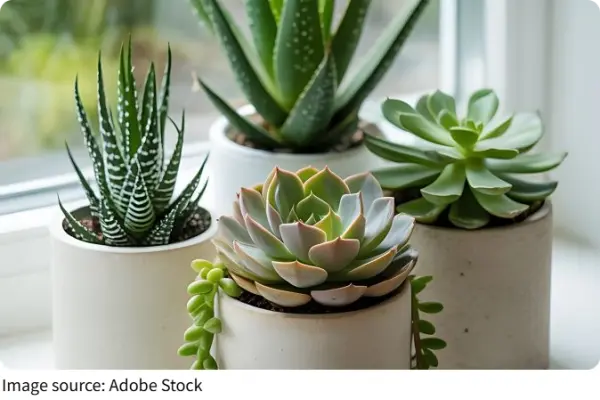
Caring for succulents is less about constant attention and more about understanding their natural needs. Using the soak and dry method, avoiding misting, and adjusting watering for seasonal changes will keep your plants healthy and vibrant for years. Succulents thrive on drought, not devotion — water wisely, and your plants will thank you.