Night Driving Essentials

Caleb Ryan
| 30-06-2026

Driving at night offers a calmer road experience, but it also introduces unique challenges for all types of vehicles. Reduced visibility affects how drivers perceive distance, speed, road conditions, and surrounding movement.
In low-light environments, even familiar roads can feel different. This makes awareness, preparation, and controlled driving habits essential for a smooth journey.
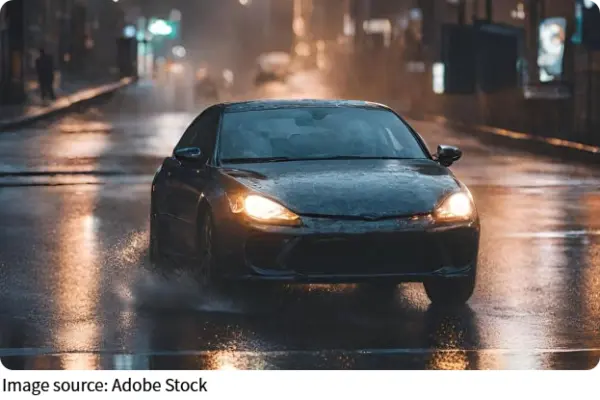
The scene shown reflects a quiet, open driving environment where visibility, lighting, and surface awareness all play an important role in safe driving.
Begin With Rest and Basic Vehicle Readiness
Safe driving always starts before the journey begins. Adequate rest helps maintain focus, reaction time, and steady decision-making.
Expert-backed strategies to maximize tread life, enhance safety, and save money on tire replacements
Dashboard lights are your car's early warning system. Ignoring them puts you and others at serious risk on the road.
Essential vehicle checks before long drives to avoid breakdowns and ensure safe travels
Keep your vehicle running smoothly with the best car maintenance apps that fit your schedule
Practical strategies for maintaining control, visibility, and safety during heavy rainfall.
Learn how to spot battery problems early before they affect vehicle reliability.
Before driving at night, it is important to ensure the vehicle is in good condition. Key checks include tires, headlights, taillights, windshield clarity, and fluid levels.
Clean glass surfaces and mirrors help improve visibility, especially when dealing with reflections from road lighting or other vehicles.
These simple steps help create a more stable and comfortable driving experience.
Adjust Speed to Night Visibility
At night, visibility is naturally reduced. Headlights only illuminate a limited section of the road ahead, making it harder to detect hazards early.
For this reason, speed should always match visible distance and road clarity.
Driving at a controlled pace provides more time to react to:
- Lane markings
- Road curves
- Surface changes
- Pedestrians or obstacles
A steady driving rhythm improves comfort and reduces sudden reactions.
Use Vehicle Lighting Correctly
Proper use of headlights is essential for safe nighttime travel.
High beams can improve visibility on dark and open roads, but should be adjusted when approaching other vehicles to avoid glare.
Low beams provide balanced lighting for general road use and help maintain visibility without affecting others.
Correct lighting use ensures better awareness for both the driver and surrounding traffic.
Understand Road Surface Reflections
Road surfaces can reflect light differently at night, offering useful visual clues.
- A normal gray reflection usually indicates dry, stable pavement.
- A bright reflective surface may suggest moisture or a smoother area requiring caution.
- A dark patch may indicate uneven surface or reduced traction visibility.
These cues help drivers adjust attention and control, especially in low-light conditions.
Manage Nighttime Visual Challenges
Night driving can affect depth perception and visibility.
Bright lights from other vehicles may cause temporary glare. In such cases, shifting focus slightly away from direct light helps maintain lane awareness.
Distance judgment can also become less accurate at night, so maintaining a safe following distance is important.
Understanding these effects helps improve comfort and reduces driving stress.
Pay Attention to Pedestrians and Surroundings
Pedestrians can be harder to notice in low-light conditions, especially in areas with limited street lighting.
Reducing speed near intersections, crossings, and residential areas allows more time to respond safely.
Staying alert to movement near road edges helps improve overall safety for everyone.
Drive Carefully Through Curves and Open Areas
Curves can limit forward visibility because headlights do not immediately reveal the full path ahead.
Slowing down before entering a curve improves control and reaction time.
In open areas such as parking spaces or wide roads, lighting may vary. Paying attention to edges, markings, and surface changes helps maintain smooth movement.

Awareness Creates Safer Night Driving
Safe night driving is built on simple but consistent habits. Rest, preparation, controlled speed, proper lighting, and awareness of surroundings all work together to create a safer experience.
By staying attentive and adapting to low-light conditions, every journey at night can become smoother, more predictable, and more comfortable.