Flight of Freedom

Arvind Singh
| 16-01-2026

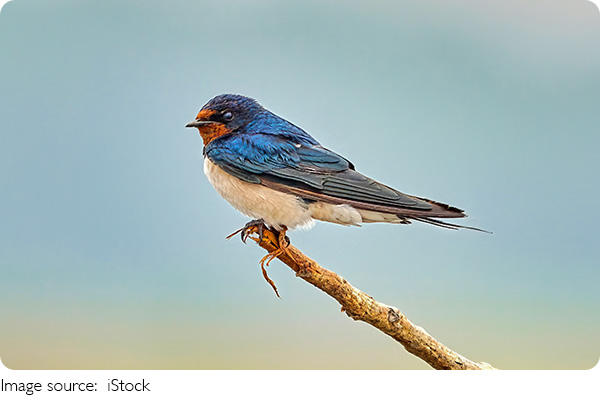
The Pacific swallow is a common sight in the Pacific region, known for its graceful flight and unique call.
These birds are widely distributed in Southeast Asia, Australia, and the Pacific Islands.
The Pacific swallow plays an important role in the ecosystem and serves as a source of inspiration in culture and literature. This article will delve into the classification, habitat, behavioral characteristics, and ecological significance of the Pacific swallow.
Classification and Characteristics
The Pacific swallow belongs to the family Hirundinidae within the order Passeriformes. It is a small to medium-sized bird, with a body length of approximately 13-15 cm and a wingspan of about 29-32 cm.
Deer in general are males with antlers, but females are antlerless, but this is not absolute.
Butterflies: Marvels of life, majestic migrations, ecological guardians. A testament to nature's enchantment.
New study: Dragonflies' long-distance migration surprises, urging biodiversity protection.
Magpies' nesting skills and choices reveal their intelligence, offering insights into their captivating avian world.
Meet the Big Five: apex predators ruling African Savannah with imposing stature and unique survival tactics.
Goldfish care requires attention to water quality, temperature, nutrition, tank size, and maintenance for a thriving environment.
The back feathers of the Pacific swallow are blue-black, the belly is white or light yellow, and the throat and chest have distinctive brown-red patches. This coloration makes the Pacific swallow stand out in flight. Its tail feathers are forked, which aids in agile flight and efficient insect capture.
Habitat and Distribution
The Pacific swallow inhabits various environments, including coastal areas, riverbanks, farmland, urban settings, and villages. They prefer open spaces, which facilitate their insect-hunting activities.
This species is widely distributed in Southeast Asia, Australia, New Guinea, and numerous Pacific islands. While many Pacific swallows are resident year-round in these regions, some populations migrate in response to seasonal changes.
Behavior and Living Habits
The Pacific swallow is highly social, often seen in small flocks. These birds primarily feed on insects, which they catch during agile, low-altitude flights.
They are known for their unique chirping, used for marking territory, attracting mates, and communicating with others. Their flight is not only functional for hunting but also displays complex maneuvers that are part of social interactions and courtship.
During the breeding season, Pacific swallows build their nests in sheltered locations such as building eaves, under bridges, or in tree cavities. The nests are constructed from mud and plant fibers, typically forming a bowl or half-bowl shape.
Females lay 3-5 eggs per clutch, with both parents sharing the duties of incubation and chick-rearing. Young swallows are ready to fly within about three weeks of hatching but remain dependent on their parents until they become fully independent.
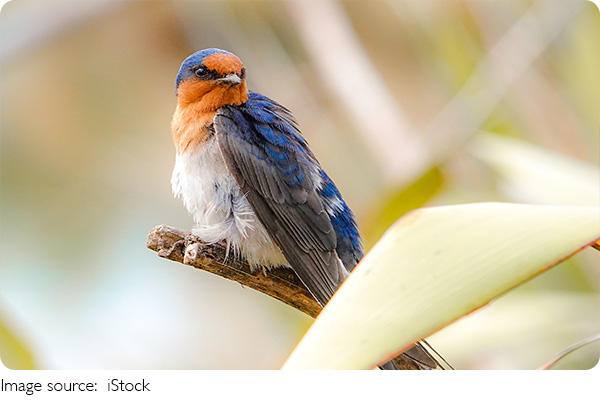
Ecological Role and Environmental Adaptation
Pacific swallows play a crucial role in the ecosystem by controlling insect populations, which helps maintain ecological balance. Their presence is particularly beneficial to agriculture, as they reduce the number of crop pests.
Additionally, Pacific swallows are sensitive to environmental changes, making them useful indicators of ecological health. Observing fluctuations in their population and distribution provides scientists with valuable information regarding climate change and environmental pollution.
Culture and Symbolism
Due to their elegant flight and enduring migratory patterns, Pacific swallows are often imbued with symbolic meanings of freedom, hope, and renewal.
In many cultures, swallows herald the arrival of spring, symbolizing new beginnings and vibrant life. The Pacific swallow frequently appears in literature and art, inspiring poets, painters, and storytellers.
Conservation Status and Challenges
Although the Pacific swallow population is currently stable across its extensive range, it faces ongoing challenges from habitat loss, environmental pollution, and climate change.
Protecting the Pacific swallow and its habitat requires heightened environmental awareness, the promotion of sustainable development, and specific actions to mitigate the adverse impacts of human activities on the natural world.
Conclusion
The Pacific swallow, with its beautiful appearance and significant ecological role, is a vital part of both natural ecosystems and human culture. Understanding and protecting this species is crucial for maintaining ecological balance and enriching cultural heritage.
Through collective efforts in conservation, sustainable development, and environmental stewardship, we can ensure that the Pacific swallow continues to grace the skies along the Pacific coast, symbolizing freedom and renewal for generations to come.