Dancing Colors

Santosh Jha
| 14-01-2026

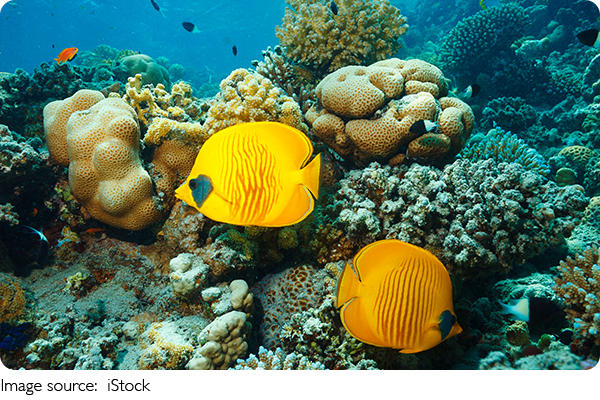
Butterflyfish are some of the most beautiful and mysterious creatures in the ocean.
Their vibrant colors and unique behaviors have fascinated divers and marine biologists alike.
These fish, named for their butterfly-like appearance and wing-like fins, possess a remarkable ability to change their color rapidly, setting them apart from many other marine species.
The color-changing ability of butterflyfish provides them with significant advantages in both hunting and evading predators. This remarkable capability is primarily due to the presence of numerous pigment cells, or chromatophores, in their skin.
The surface of a butterflyfish is densely populated with these chromatophores, which can expand or contract swiftly under the precise control of the nervous system.
Cats: Beloved companions, boosters of health and happiness.
Amidst modern chaos, bird-watching offers serenity, concentration, and social connection, enhancing mental well-being.
Cats prefer high places to satisfy instincts, safety, entertainment, psychological, and space needs.
Fish eyes uniquely adapt to their underwater world, highlighting profound visual differences from humans.
The Pacific Swallow: The Beautiful Messenger Flying Along the Pacific Coast.
Deer in general are males with antlers, but females are antlerless, but this is not absolute.
When these pigment cells expand, they disperse pigments, rendering the butterflyfish's skin vibrant and colorful. Conversely, when the pigment cells contract, the pigments are stored, making the skin appear more translucent or lighter.
This process allows the fish to create complex patterns and colors, enabling them to adapt to varying environments and circumstances.
This ability is not just a survival mechanism but also a form of natural art. Butterflyfish can alter their appearance in seconds to avoid predators, catch prey, or attract mates.
This adaptive trait is an excellent tool that allows them to thrive in the dynamic and often perilous underwater world. It is a crucial aspect of their survival and reproductive success.
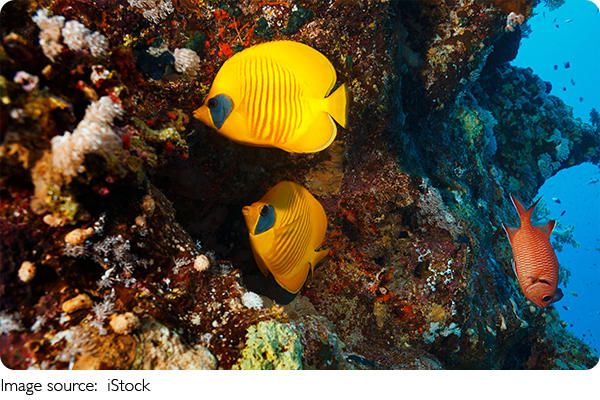
The color-changing ability of butterflyfish is not an innate trait but rather one that has developed over long-term evolution. The intricate coordination between their nervous system and pigment cells is the result of countless instances of natural selection and optimization.
This evolutionary process not only highlights the adaptability of organisms to their environments but also showcases the incredible wisdom and beauty inherent in nature.
In addition to their pigment cells, butterflyfish have a special mucus layer that aids in their camouflage. The thickness, viscosity, and color of this mucus can be adjusted as needed to create an even more effective disguise.
This mucus layer allows butterflyfish to blend seamlessly into their surroundings, enhancing their ability to capture prey and avoid danger, even in low-light conditions.
This extraordinary camouflage skill is rare not only among marine organisms but in the entire animal kingdom. The adaptability of butterflyfish amazes scientists and inspires further research into the mechanisms behind their color change.
By studying these fish, scientists hope to gain deeper insights into how organisms interact with their environment and how they might adapt to future changes.
Butterflyfish stand out among marine life due to their vivid appearance and color-changing prowess. Their chromatophores enable them to swiftly adapt to environmental shifts, thereby enhancing their survival prospects.
Understanding and protecting butterflyfish is essential for appreciating the diversity of marine life and promoting the conservation of marine ecosystems. Through collaborative efforts, we can ensure that these magnificent creatures continue to grace our oceans, adding vibrancy and life to the marine world.