Coastal Companions

Chris Isidore
| 14-01-2026

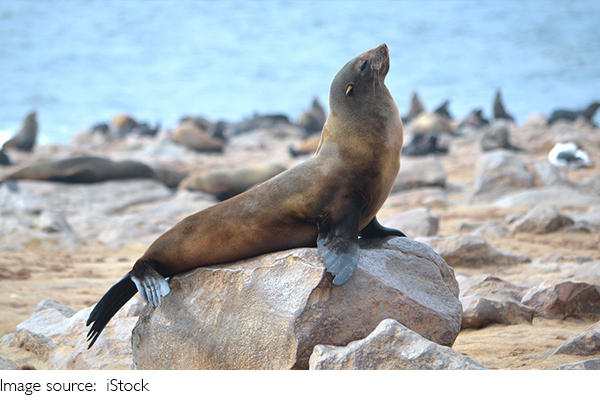
Seals and sea lions are two fascinating groups of marine mammals that, while sharing some similarities in appearance and habits, exhibit significant differences in biological classification and ecological roles.
These differences extend from their physical characteristics to their behavior and ecological niches, offering a rich tapestry of biodiversity within the marine ecosystem.
One of the most noticeable distinctions between seals and sea lions is their ears. Seals, which are often referred to as "true seals" or earless seals, lack external ear flaps, possessing only small ear holes.
In contrast, sea lions have external ear flaps, making their ears more visible. This difference is not just cosmetic; it also affects their hearing abilities and how they interact with their environment.
The camel is famously known as “the boat of the desert.”
Butterflyfish captivate with their rapid color changes, aiding survival and inspiring marine research.
Cats: Beloved companions, boosters of health and happiness.
Amidst modern chaos, bird-watching offers serenity, concentration, and social connection, enhancing mental well-being.
Cats prefer high places to satisfy instincts, safety, entertainment, psychological, and space needs.
Fish eyes uniquely adapt to their underwater world, highlighting profound visual differences from humans.
Another key difference lies in their locomotion. The hind flippers of seals cannot rotate forward, which makes their movement on land cumbersome. Seals typically undulate in a worm-like motion, pulling themselves forward with their front flippers while their bodies wiggle behind.
This method of movement is efficient in the water but quite awkward on land. Sea lions, on the other hand, have rotating hip bones that allow their hind flippers to turn forward, enabling them to "walk" on all fours. This adaptation makes them much more agile and mobile on land compared to seals.
The fur and thermoregulation strategies of these animals also differ. Seals have short, dense fur that provides some insulation, but they primarily rely on a thick layer of blubber beneath their skin to keep warm in the cold waters of polar and temperate regions.
In contrast, sea lions have longer, sparser fur and rely more on their skin and blood circulation for thermoregulation. This difference in fur density and blubber content reflects their adaptation to different environmental conditions.
Size is another distinguishing factor. Seals are generally smaller than sea lions. Most seals measure less than 2 meters (about 6.5 feet) in length and weigh around 100 kilograms (about 220 pounds).
Sea lions, however, can grow up to 3 meters (about 10 feet) long and weigh as much as 300 kilograms (about 660 pounds). These size differences influence their behavior, social structures, and ecological roles.
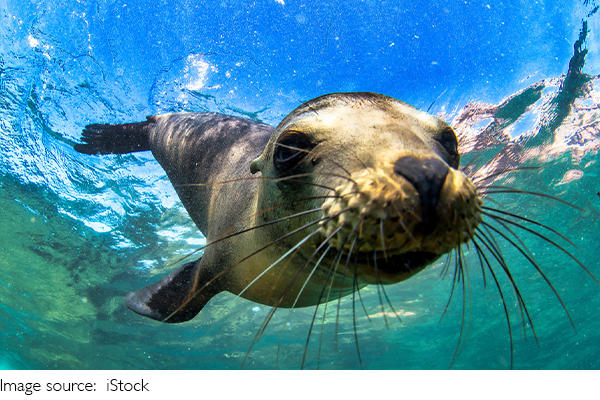
These physical and behavioral differences result in distinct ecological niches for seals and sea lions. Seals are predominantly found in cold polar and temperate regions.
They prefer to rest and breed on snow-covered islands or coasts and are adept at living in icy waters. They primarily feed on fish, crustaceans, and mollusks. Seals are typically solitary animals or form small groups, which is a behavior suited to their often harsh and sparse environments.
Sea lions, in contrast, inhabit warmer temperate and subtropical regions. They prefer ice-free islands or coastlines for resting and breeding. Their diet is similar to that of seals, including fish, squid, and octopus, but they exhibit more social behavior, often forming large colonies.
A notable characteristic of sea lions is their "harem" social structure, where dominant males establish territories and maintain harems of multiple females. This system leads to intense competition among males, resulting in frequent and often violent clashes.
Despite their differences, both seals and sea lions play crucial roles in their respective ecosystems. They help maintain the balance of the marine food web by regulating the populations of their prey. In turn, they serve as prey for larger predators such as orcas and sharks.
For example, in Antarctica, seals are a vital food source for penguins, whales, and dolphins. In the waters around California's San Miguel Island, sea lions provide carrion that sustains scavengers like vultures, eagles, and crows.
Human fascination with seals and sea lions extends beyond their ecological roles. These animals have captivated people with their endearing appearances and intelligent behaviors, making them popular subjects of scientific research and wildlife tourism. Their presence in popular culture, folklore, and art underscores their significance to human society.
Seals and sea lions, while sharing some superficial similarities, are distinct in many ways. Their differences in physical characteristics, behavior, and ecological roles highlight the diversity of life in the oceans.
As integral components of marine ecosystems, they help maintain ecological balance and offer valuable insights into the complexities of marine life.
Their interactions with humans, both positive and negative, underscore the need for continued conservation efforts to protect these captivating creatures for future generations. Seals and sea lions deserve our respect, protection, and admiration as vital members of our planet's marine heritage.