Jewel of the Jungle

Ethan Sullivan
| 14-01-2026

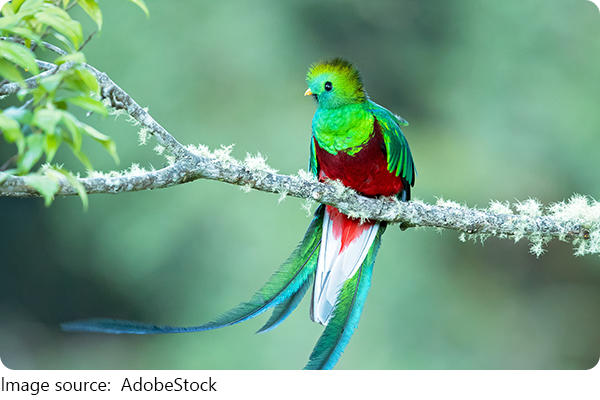
In the lush, verdant jungles of South America, one bird stands out for its striking plumage and graceful demeanor: the Resplendent Quetzal.
Named for its resplendent tail feathers, which rival the legendary phoenix in beauty, this avian marvel has become a defining emblem of South American forests.
The Resplendent Quetzal is celebrated not only for its appearance but also for its crucial ecological role and profound cultural symbolism.
Found predominantly in the mountainous rainforests of Central and South America, particularly in the misty cloud forests of Costa Rica and Panama, these birds thrive in high-altitude, humid environments rich in diverse flora.
Here, amidst the lush vegetation and abundant food sources of fruits, berries, and small insects, they find their ideal habitat. Notably, they have a particular fondness for avocados.
Seals and sea lions, while similar, exhibit key differences in appearance, behavior, and roles.
The camel is famously known as “the boat of the desert.”
Butterflyfish captivate with their rapid color changes, aiding survival and inspiring marine research.
Cats: Beloved companions, boosters of health and happiness.
Amidst modern chaos, bird-watching offers serenity, concentration, and social connection, enhancing mental well-being.
Cats prefer high places to satisfy instincts, safety, entertainment, psychological, and space needs.
This dietary preference not only underscores their ecological significance but also designates them as indicator species, reflecting the health of their forest habitats.
The appearance of the male Resplendent Quetzal is a sight to behold. Adorned in iridescent green feathers that shimmer in sunlight, they boast a vibrant red crown and throat that starkly contrast with their verdant plumage.
However, it is their exceptionally long tail feathers, extending over a meter in length, that captivate the eye. These elegant plumes, reminiscent of the phoenix, serve not only as a tool for courtship but also as a symbol of grace during flight.
In contrast, females, while lacking the resplendent tail feathers of their male counterparts, possess equally stunning green plumage, albeit with a softer hue.
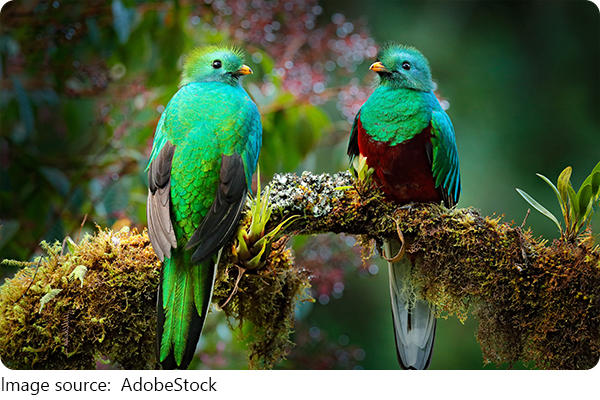
Breeding among Resplendent Quetzals is a spectacle of nature. During the breeding season, males display their magnificent plumage and melodious calls to attract females. Nesting typically occurs within tall tree cavities, often excavated by woodpeckers.
Here, females lay two to three eggs, and both parents share the responsibilities of incubation and chick rearing. This cooperative parenting behavior ensures the survival of their offspring, who are nourished with fruits and insects until they can fend for themselves.
Beyond their ecological role, the Resplendent Quetzal holds profound cultural significance, particularly within the ancient civilizations of the Mayans and Aztecs.
Revered as a sacred symbol, their feathers were used in rituals and decorations, symbolizing life, prosperity, and freedom. Today, the Resplendent Quetzal remains Costa Rica's national bird, embodying the country's rich natural heritage and continued conservation efforts.
However, these majestic birds face daunting challenges to their survival. Deforestation and habitat destruction pose significant threats as their forested homes diminish in size, leading to dwindling food sources.
Additionally, illegal hunting and the illicit trade of their feathers exacerbate these pressures. In response, concerted efforts by governments and conservation organizations have been implemented, including the establishment of protected reserves, educational campaigns, and legal protections.
The plight of the Resplendent Quetzal serves as a poignant reminder of the delicate balance between human development and environmental conservation.
By bolstering conservation efforts and raising awareness, we can ensure these magnificent birds continue to grace our skies and forests, enriching our world with their vibrant presence for generations to come.