The Cats' Secrets

Declan Kennedy
| 07-01-2026

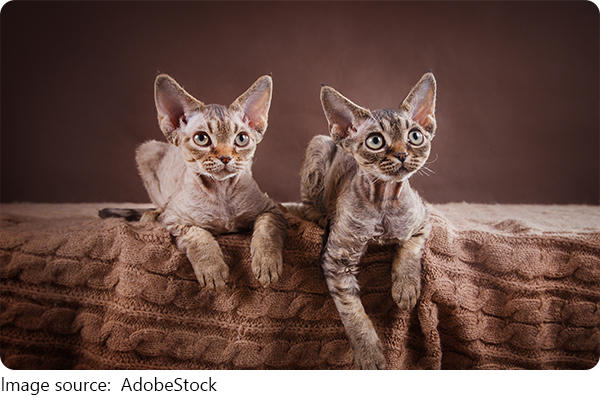
Cats have been our companions for thousands of years, yet they continue to surprise us with their enigmatic behaviors and unique characteristics. Here are some fascinating insights into the world of cats that might just change the way you look at your feline friend.
1. Cats Have a Unique Way of Communicating
Unlike dogs, cats don’t use barking or howling to communicate with humans. Instead, they have a complex system of body language, vocalizations, and even scent markers to convey their needs and emotions. While purring is commonly associated with contentment, cats also purr when they are in pain or feeling stressed. This dual-purpose purring is believed to be a self-soothing mechanism, similar to how humans might hum or rock themselves when anxious.
Grizzly bears' circadian rhythms continue during hibernation, aiding energy conservation and survival.
In South America's lush jungles, the Resplendent Quetzal shines with beauty, ecology, and cultural significance.
Seals and sea lions, while similar, exhibit key differences in appearance, behavior, and roles.
The camel is famously known as “the boat of the desert.”
Butterflyfish captivate with their rapid color changes, aiding survival and inspiring marine research.
Cats: Beloved companions, boosters of health and happiness.
2. The Mystery of the Cat's Purr
Speaking of purring, did you know that the frequency of a cat’s purr has healing properties? Research has shown that the vibrations produced by purring, which range between 25 and 150 Hertz, can promote the healing of bones and tissues. This could explain why cats seem to recover from injuries more quickly than other animals. Additionally, the act of purring may release endorphins, helping to reduce pain and improve mood.
3. Cats Are Natural Thermoregulators
Cats have an extraordinary ability to regulate their body temperature. Their fur acts as a natural insulator, keeping them warm in the winter and cool in the summer. Additionally, cats have sweat glands only on their paw pads, which they use to cool down. This is why you might notice your cat leaving little damp paw prints on hot days. Moreover, a cat’s grooming behavior also plays a role in temperature regulation; by licking their fur, they spread saliva, which evaporates and cools their body.
4. Whiskers Are Multifunctional
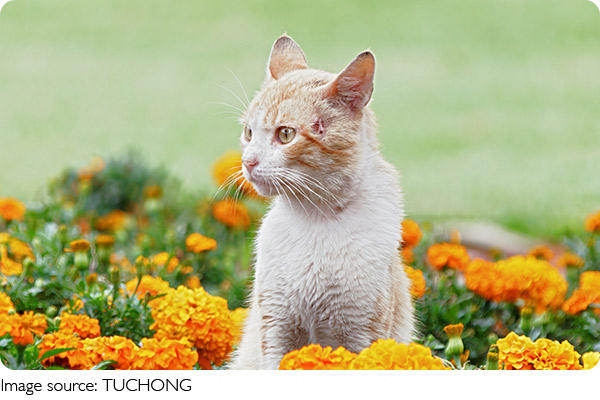
A cat’s whiskers are more than just an adorable feature; they are highly sensitive sensory tools. Whiskers are deeply embedded in the cat’s body and connected to the nervous system, allowing them to detect changes in their environment. They can sense vibrations in the air, helping cats gauge the size and shape of objects, which is crucial for navigating in the dark. Whiskers also serve as a gauge for whether a cat can fit through a tight space, preventing them from getting stuck.
5. Cats Have a Unique Way of Drinking
Cats have a distinctive method of drinking water that combines physics and precision. Unlike dogs, which use their tongues to scoop up water, cats create a column of liquid by quickly retracting their tongues after touching the surface of the water. This action creates a continuous stream that they capture in their mouths before gravity pulls it back into the bowl. This sophisticated technique is both efficient and effective, minimizing spills and splashes.
6. Night Vision Capabilities
Cats are known for their exceptional night vision, which allows them to hunt and navigate in low-light conditions. Their eyes have a higher number of rod cells, which are more sensitive to light than cone cells, enabling them to see in near darkness. Additionally, cats have a reflective layer behind their retinas called the tapetum lucidum, which enhances their ability to see in the dark by reflecting light that passes through the retina back into their eyes. This is what gives cats their characteristic eye shine in the dark.
7. The Solitary Yet Social Nature of Cats
Cats are often perceived as solitary creatures, but they can be quite social, especially with humans and other cats they trust. They form complex social structures and can develop strong bonds with their human companions. Unlike dogs, which are pack animals, cats are more territorial and may prefer solitary activities. However, they are also capable of showing affection and enjoying companionship, often in subtler ways such as head-butting, slow blinking, and curling up next to their favorite person.
8. The Healing Power of a Cat’s Touch
There’s a reason why therapy cats are becoming more common in hospitals and nursing homes. Studies have shown that petting a cat can lower stress levels, reduce anxiety, and even lower blood pressure. The rhythmic motion of stroking a cat and the soothing sound of their purr can have a calming effect, promoting relaxation and emotional well-being. This healing power is mutually beneficial, as cats also enjoy the positive attention and affection from their human companions.
Cats are truly remarkable creatures, full of surprising abilities and endearing quirks. Understanding these lesser-known aspects of their behavior and physiology can deepen our appreciation for our feline friends. Whether it's their unique communication methods, their impressive night vision, or their healing purrs, cats continue to captivate and charm us with their mysterious ways.