Cold Masters

Santosh Jha
| 07-01-2026

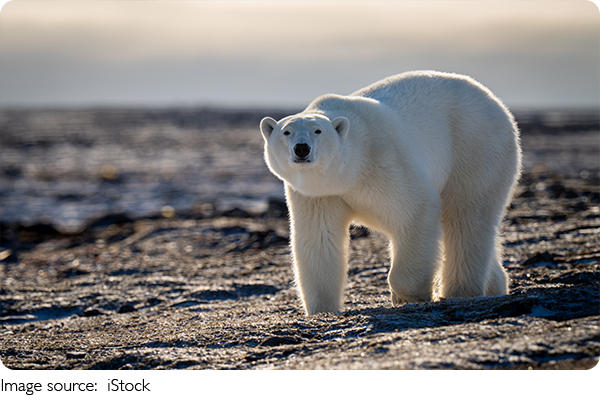
Polar bears are among the most iconic animals inhabiting the polar regions.
Their ability to thrive in the frigid Arctic environment, where temperatures can plummet well below freezing, is a testament to their remarkable adaptations.
This exceptional cold resistance is a result of various physiological and behavioral traits that equip polar bears to endure and even excel in their harsh surroundings.
Physiological Adaptations
One of the primary factors contributing to a polar bear's cold tolerance is its unique skin and fur structure. Polar bears possess a distinctive coat comprising two layers: a dense underlayer of insulating fur and a top layer of longer, rougher guard hairs.
The underlayer, which is short and thick, traps air close to the body, creating an insulating barrier that helps retain heat. This trapped air acts as an effective thermal insulator, minimizing heat loss and keeping the bear warm in subzero temperatures.
Why are egrets considered the "angels in white"? 2 minutes to find out!
The Arctic fox, with fur-covered foot pads and seasonal color changes, thrives in frigid extremes.
What do you know about cats that you don't know?
Grizzly bears' circadian rhythms continue during hibernation, aiding energy conservation and survival.
In South America's lush jungles, the Resplendent Quetzal shines with beauty, ecology, and cultural significance.
Seals and sea lions, while similar, exhibit key differences in appearance, behavior, and roles.
The outer layer of guard hairs, while long and coarse, serves to shield the underlayer from direct exposure to the icy wind and snow, further enhancing the bear's ability to maintain body heat.
Interestingly, polar bear skin is black, which plays a crucial role in their thermal regulation. Black skin is highly efficient at absorbing sunlight, which, even in the polar regions, can provide essential warmth.
This absorption of solar energy helps polar bears sustain their body temperature despite the extreme cold. Even in stark, ice-covered landscapes, the black skin's capacity to capture and retain heat is vital for their survival.
Another significant adaptation is the polar bear’s substantial body size. Adult male polar bears can weigh over 700 kilograms (approximately 1,500 pounds), and their massive size contributes to their ability to withstand cold temperatures.
The large body mass results in a lower surface area-to-volume ratio, which minimizes heat loss. Essentially, the greater the volume of the bear relative to its surface area, the less heat is lost to the environment. This adaptation is crucial for maintaining a stable internal temperature amidst the freezing Arctic conditions.
Equally important is the thick layer of fat that polar bears accumulate, particularly before the winter months. This fat, or blubber, serves multiple purposes. It acts as an additional layer of insulation, protecting the bear from the cold and preventing heat from escaping.
Additionally, the fat layer provides a vital energy reserve during periods when food is scarce. The ability to store and utilize this fat is essential for survival during the harsh winter months, when hunting opportunities may be limited.
Behavioral Adaptations
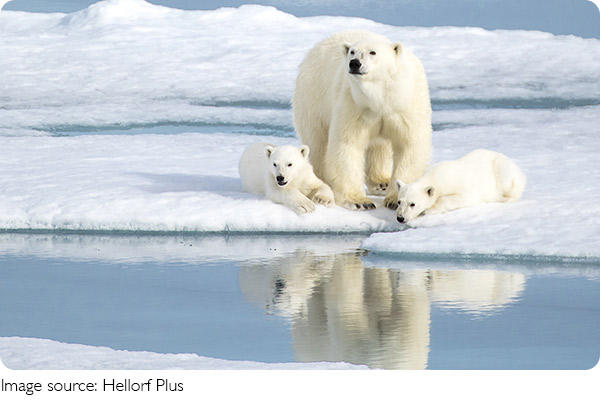
Beyond physiological adaptations, polar bears employ various behavioral strategies to manage the cold. One of these strategies involves creating shelters. During the winter, polar bears dig out dens in the snow or ice to provide a protected space where they can rest or hibernate.
These snow dens offer a refuge from the biting cold and harsh wind, utilizing the insulating properties of snow to maintain a more stable and warmer microenvironment. By spending time in these dens, polar bears minimize their exposure to the extreme cold and conserve energy.
In addition to creating shelters, polar bears modify their behavior to reduce heat loss during activities such as hunting. For example, when walking across the ice, polar bears often adopt a low posture, which decreases their surface area exposed to the cold.
This behavioral adjustment helps to reduce the amount of body heat lost to the surrounding environment. Such strategic movements are part of a broader set of adaptations that enable polar bears to conserve heat and maintain their energy levels in a frigid climate.
The polar bear's impressive resilience to cold is a prime example of evolutionary adaptation to extreme environmental conditions. Their ability to endure the Arctic's freezing temperatures and harsh conditions highlights the complexity and effectiveness of natural adaptations in the animal kingdom.
By studying polar bears and their adaptations, scientists gain valuable insights into how organisms can evolve and thrive in extreme environments, offering broader implications for understanding survival strategies in a changing world.